Soles4Souls
Stitching sustainability into scarcity: How luxury brands can navigate the EU’s destruction ban
Sep 16, 2026
September, the saying goes, is January for fashion.
This month, the couture world cleans its slate, with a back-to-back sequence of major fashion weeks – New York, London, Milan and Paris – all showcasing cutting-edge collections for the world’s biggest luxury brands. (And, of course, hinting at the next cerulean sweater some of us might fish out of a clearance bin years later).
But what’s especially interesting about this year’s ‘fashion month’ is that it’s the first edition since the EU’s game-changing destruction ban. So, will we see any nods to circularity on the catwalks? And are luxury brands prepared for the changes?
Let’s recap.
In July, a major rule under the EU’s Ecodesign for Sustainable Products Regulation (ESPR) took effect, prohibiting large enterprises from destroying unsold apparel, clothing accessories and footwear. The ban promises to overhaul the way the fashion industry handles excess stock and customer returns, including for global luxury brands operating in the EU market.
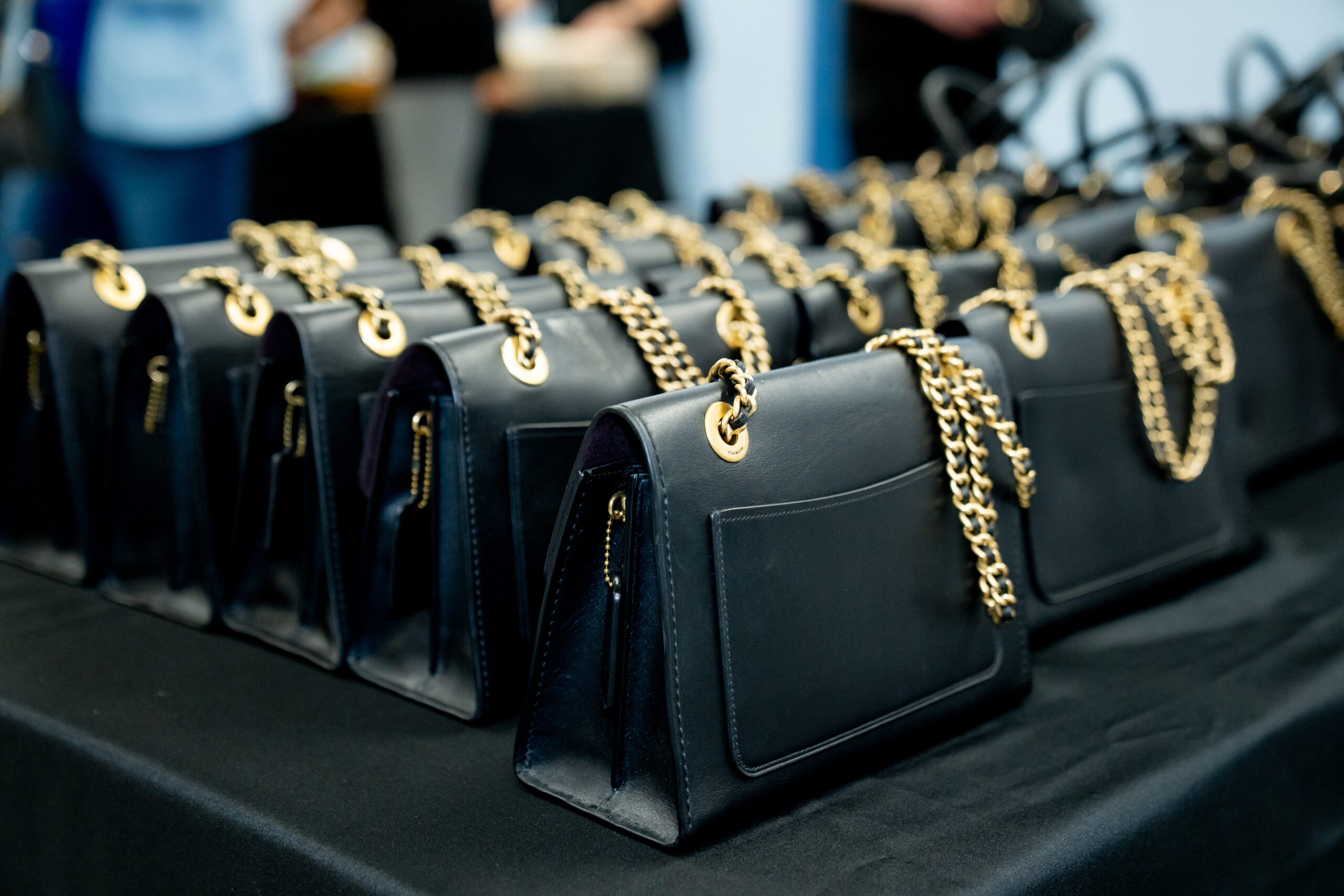
The new rules are especially sensitive for luxury labels. For decades, high-end brands have battled to maintain scarcity value by limiting the supply of a product; increasing its desirability, perceived status and, of course, price. However, this practice has often involved those same brands destroying any unsold or excess products so that they stop cheap sales and protect their market value. Methods included disassembling, shredding, grinding and, perhaps most shockingly, incineration.
According to the European Environment Agency (EEA), an estimated 4-9% of all textile products put on the market in Europe are destroyed before use.
Luxury supply chains have historically operated on extreme secrecy and fragmentation. But the EU’s changes will push brands into new operational territory. To comply, leaders may need to introduce practical, wide-ranging adjustments to ways of working – rather than simply embody a shift in values.
While the ESPR undoubtedly ushers in a new era of responsible circularity, it introduces real challenges for luxury brands used to traditional ways of routine inventory management.
According to the Financial Times, the ban may ‘force brands to choose between carrying higher inventory costs, expanding tightly controlled discount channels or producing fewer goods in the first place.’ But luxury’s constraints are different from mass apparel: surplus isn’t just a cost problem, it’s a perception problem. Any solution has to protect scarcity and brand positioning. Warehousing more stock, discounting more openly or producing fewer products all work against the industry’s business model.
Success in this new era therefore asks for greater infrastructure planning from luxury brands. As per the FT, ‘putting more unsold products into outlets, donation networks or secondary markets risks increasing discounting or feeding grey-market sales, while repair, storage and material recovery could add to costs.’
Simply, luxury needs a discreet, controlled and economical compromise – perhaps involving donation, reconditioning or closed-loop resale – that helps brands comply with ESPR and protect their equity.
That’s where Soles4Souls comes in.
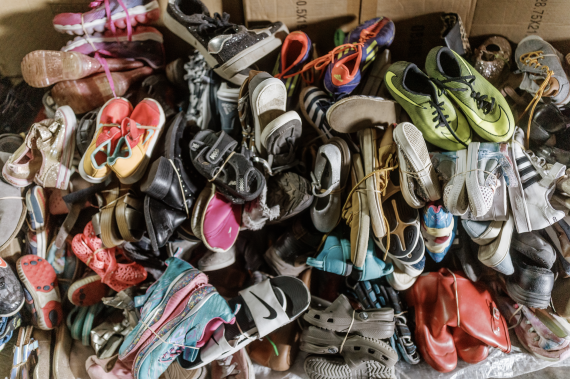
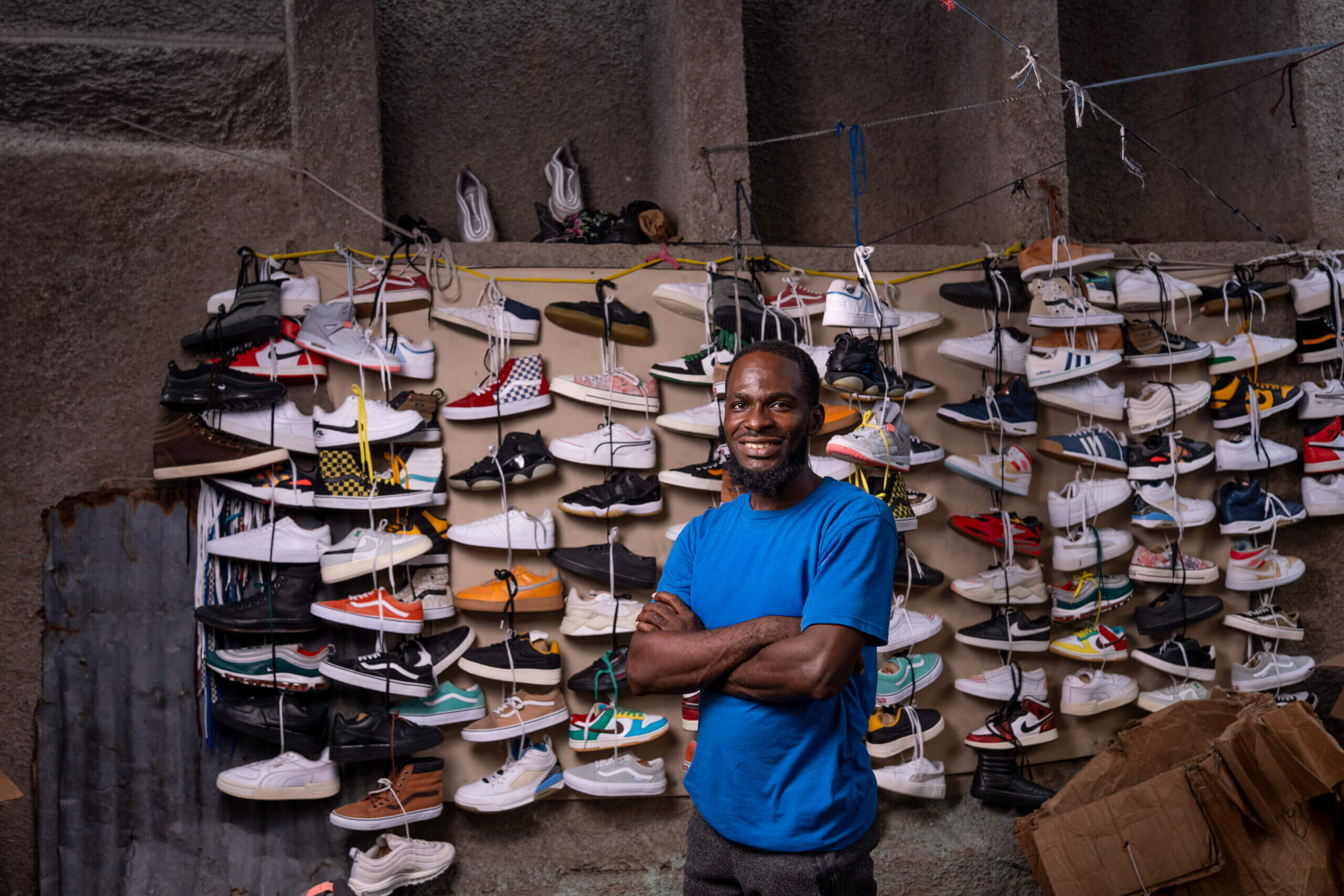
Solutions4Good is our circular solutions platform – the quiet, ready-made infrastructure that helps brands navigate new circularity requirements. From excess inventory and returns to defective and post-consumer goods, it helps brands determine the best path forward for unwanted shoes, clothing and accessories. Here’s how it works:
Remember, the ESPR rules are now live, and businesses must make sure they are compliant as soon as possible.
However, luxury brands should look at the ban as an opportunity. For years, the industry has faced accusations of destructive, irresponsible waste, damaging the reputations of otherwise beloved global brands. But the new rules offer the perfect chance to tell a new story.
Brands seen to publicly engage with ESPR, and manage excess stock responsibly through platforms like Solutions4Good, will have the greatest chances of dominating the catwalks – and consumer choices – for many fashion months to come.
To learn more about Solutions4Good, and discuss how Soles4Souls can support circularity needs and opportunities for your brand, please email alexandreg@soles4souls.org