Solutions4Good
Greenwashing explained: Give it the boot with shoe and clothing donations for real sustainability
What is greenwashing and why does it matter?
Greenwashing happens when a company misleads consumers into believing it’s more sustainable than it really is, using vague claims, selective disclosures, or eco-friendly imagery. Instead of making real progress, brands hide behind empty promises, eroding consumer trust.
2024 was a big year in the battle against greenwashing. The EU banned vague environmental promises such as “carbon neutral,” “net zero,” and “environmentally friendly.”. Meanwhile, the UK issued new guidance to make sure fashion brands’ claims are accurate and substantiated with hefty penalties for those who fail to comply.
The best way to protect your business from penalties and make a real, sustainable difference is by taking measurable action. Let’s explore how your brand can go beyond greenwashing and make meaningful contributions through donations—promoting a truly circular fashion industry.
Why greenwashing laws are getting tougher?
Clothing and footwear manufacturing is a major sustainability hotspot regulators are watching closely. The sector is the second-largest consumer of water worldwide and responsible for around 10% of global greenhouse gas emissions, more than aviation and shipping combined.
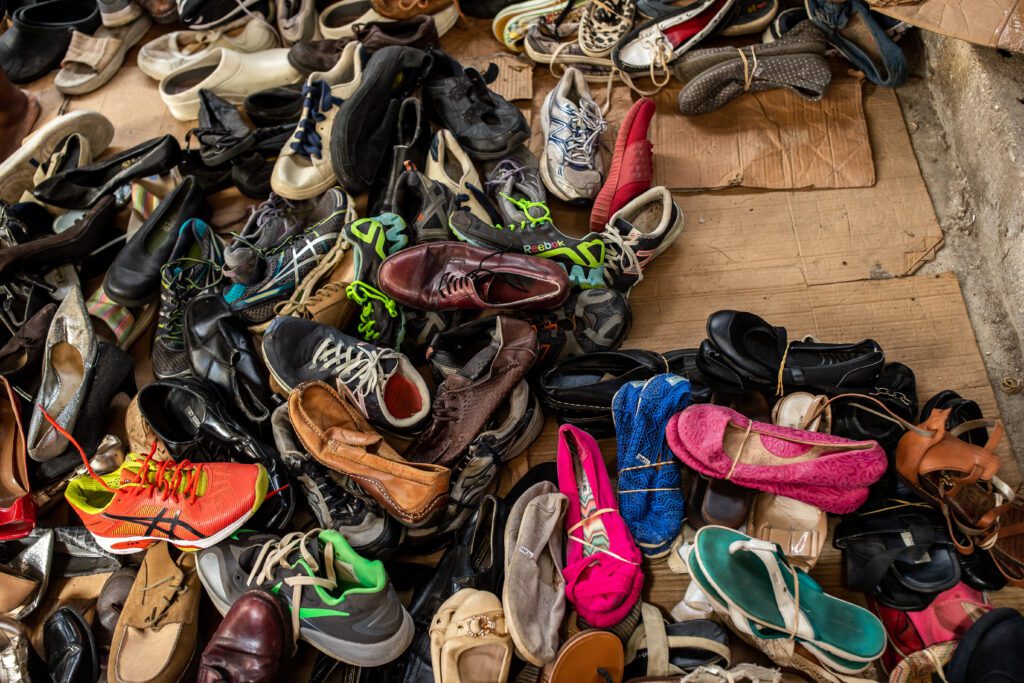
The problem extends beyond the lifespan of garments. According to Greenpeace, less than 1% of clothes are made from old textiles, and only 3% from recycled materials. Instead, a truckload of clothing waste is burned or landfilled every second.
Consumers are taking notice. In the EU, 73% say environmental impact matters when shopping, and 60% have purchased products based on sustainability claims. In the UK, 21% are willing to pay more for greener options. This demand fuels misleading marketing and underscores the need for transparency.
Examples of greenwashing in the fashion industry
In fashion, greenwashing often appears through vague product labels like “eco-friendly” or “ethically made,” packaging decorated with forests or animals, or broad sustainability claims without third-party verification. Even major brands have faced criticism for “carbon neutral” packaging, questionable textile recycling programs, and misleading certifications.
Types of greenwashing and what “green washed” means
There are different types of greenwashing, but most share one trait: making claims that cannot be independently verified. When a product or company is described as “green washed,” it usually means that its eco-friendly marketing does not match its actual environmental impact.
The best way to avoid falling into these traps is by prioritizing transparency and action. Brands can build credibility by investing in circular solutions that extend product lifecycles, reduce waste, and deliver verifiable benefits. One of the most impactful strategies is repurposing surplus stock through donation programs, which keeps products in use, supports communities, and demonstrates sustainability that goes beyond marketing claims.
Turning surplus stock into educational and economic opportunity
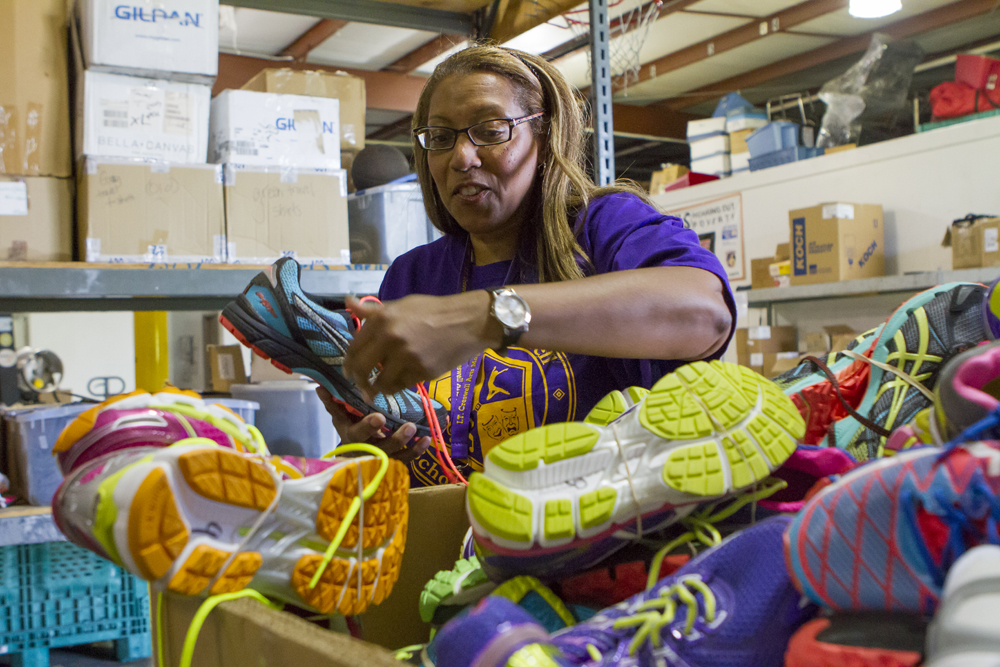
At Soles4Souls, we help fashion brands turn unsold inventory into measurable impact. Donated shoes and clothing are resold and distributed to support small businesses in low-income countries creating jobs, empowering communities, and extending product lifecycles.
We also provide new shoes and apparel to people in crisis situations, freeing up resources they can use for essentials like food, housing, and healthcare. In the U.S., our programs supply athletic shoes to children experiencing homelessness, helping them participate fully in school and extracurricular activities.
By keeping clothing and shoes in circulation , brands can cut waste disposal costs, reduce reliance on carbon-intensive manufacturing, and demonstrate real sustainability leadership.
Shoe and clothing donations can make a measurable impact
Your partnership with Soles4Souls can be cited as a key facet of your ESG reporting. We reuse 99% of the shoes and clothing donations we receive. Donating a pair of shoes to us, for instance, reduces its CO2 impact per wear by extending its life at least 15 months. For donations beyond use or repair, we partner with companies that turn waste into energy and other useful products.
We also monitor our environmental footprint by measuring our carbon emissions through a third-party, Climate Smart, to make data-driven decisions and pursue new, green initiatives related to infrastructure, sourcing and energy. And we reduce our broader community’s environmental footprint by optimising our supply chain, minimising the distance between donors, Soles4Souls and those we serve.
By partnering with Soles4Souls, you can deliver real, quantifiable environmental progress—and tell regulators and customers all about it, too.
“Soles4Souls simplifies social impact by making it commercially viable for an organisation. We also help brands navigate the trickier side of social impact reporting by advising them on product donation and end-of-life recycling or energy generation redistribution.”
- Nancy Youssef, Chief Business Development Officer & Executive Vice President, International at Soles4Souls
Practical ways to reduce waste
Our practical resources cover everything from how to upcycle shoes to what to do with old shoes, helping extend the life of products and reduce unnecessary waste. Even small decisions can make a difference: knowing when to replace running shoes prevents overconsumption, while choosing the best items to donate ensures your contributions truly support community needs.
Ready to give greenwashing the boot?
Instead of relying on vague sustainability claims, partnering with Soles4Souls allows your brand to showcase authentic, verifiable impact. Our model transforms surplus products into social and environmental value, helping you stay compliant, reduce costs, and strengthen trust with both customers and regulators. By highlighting the importance of shoes, every action contributes to reducing waste and strengthening community impact.
Join the brands leading the charge against greenwashing and make a real difference to circularity today. A Soles4Souls partnership helps your brand stay compliant, reduce costs and prove your sustainability to customers. To learn more, please contact [email protected].